
Brake Repair In Spokane Valley, WA
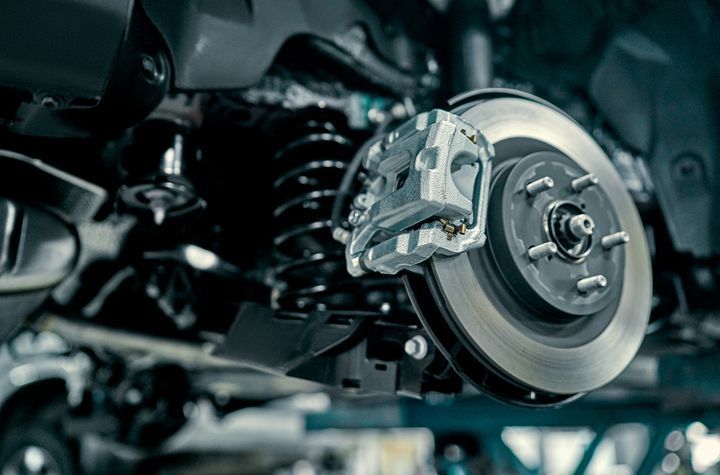
Professional Brake Repair in Spokane Valley, WA
Your brakes are one of the most important safety systems on your vehicle. Every time you slow down for traffic, stop at an intersection, drive through the mountains, or tow a trailer, your braking system works to bring thousands of pounds of moving weight to a controlled stop.
At Davis Diesel Automotive, we provide professional brake repair and brake inspections for drivers throughout Spokane Valley, Spokane, Liberty Lake, Greenacres, Veradale, Post Falls, Coeur d'Alene, and surrounding communities. Whether you drive a diesel pickup, work truck, SUV, passenger car, or fleet vehicle, our technicians are equipped to inspect, diagnose, and repair your braking system.
If your brakes feel different than normal, make unusual noises, vibrate while stopping, or a warning light appears on the dashboard, don't ignore the problem. Brake concerns often become more expensive when left unaddressed, and some conditions can reduce your vehicle's ability to stop safely.
Why Your Braking System Is So Important
Your vehicle's braking system converts the energy of a moving vehicle into heat through controlled friction. Every component works together to provide smooth, predictable stopping performance.
Even a relatively small problem in one area of the system may affect braking performance. Worn brake pads can damage rotors. A fluid leak can reduce hydraulic pressure. Air inside the brake lines may create a soft pedal. Electronic systems such as ABS may also influence how the vehicle responds during emergency braking.
Routine brake inspections help identify normal wear before it develops into larger repairs while giving technicians an opportunity to inspect the entire braking system.
How Your Brake System Works
Although brake system designs vary by manufacturer and model, most modern vehicles use a hydraulic braking system with several key components working together.
Brake Pedal
Pressing the brake pedal begins the braking process. Your foot applies force that is multiplied through the hydraulic system.
Brake Master Cylinder
The master cylinder converts pedal movement into hydraulic pressure using brake fluid. This pressure is distributed throughout the braking system.
Brake Lines and Hoses
Steel brake lines and flexible rubber hoses carry hydraulic pressure to each wheel. Damage, corrosion, leaks, or deterioration can affect braking performance and should be inspected promptly.
Brake Calipers or Wheel Cylinders
Disc brake systems typically use calipers that squeeze brake pads against the rotors. Drum brake systems use wheel cylinders to push brake shoes outward against the drum.
Brake Pads and Shoes
Brake pads and shoes are friction materials that gradually wear during normal driving. Their lifespan depends on vehicle weight, driving habits, traffic conditions, towing, and other operating factors.
Brake Rotors and Drums
Brake rotors and drums provide the friction surface that allows the vehicle to slow down. Over time they may wear, develop grooves, or experience heat-related distortion depending on driving conditions.
Brake Fluid
Brake fluid transfers hydraulic pressure throughout the braking system. Proper fluid condition is important because moisture contamination and age may affect braking performance.
Types of Brake Systems
Modern vehicles often combine several braking technologies designed to improve stopping performance and vehicle control.
Disc Brakes
Most passenger vehicles use disc brakes on the front wheels, and many use them on all four wheels. Disc brakes generally provide strong stopping power and good heat dissipation during repeated braking.
Drum Brakes
Some vehicles continue to use drum brakes on the rear axle. Drum brakes remain effective for many applications and often require different service procedures than disc brakes.
Anti-Lock Braking System (ABS)
ABS helps reduce wheel lockup during hard braking by rapidly adjusting brake pressure. This system is designed to help maintain steering control in certain emergency situations.
Electronic Parking Brake
Many newer vehicles use electronic parking brake systems rather than traditional hand-operated or foot-operated parking brakes. These systems may require specialized service procedures depending on the manufacturer.
Every braking system is designed differently, so inspection and repair procedures vary depending on the vehicle's make, model, year, and braking system configuration.
Common Signs You May Need Brake Repair
Brake problems don't always appear suddenly. In many cases the vehicle provides warning signs before braking performance becomes significantly affected.
Squeaking or Squealing Brakes
Brake noise can develop for several reasons. Worn brake pads, glazing, debris, moisture, hardware concerns, or rotor condition may all contribute. Noise alone does not identify which component requires replacement.
Grinding While Braking
Grinding noises may indicate severe brake pad wear or metal-to-metal contact. Continuing to drive with grinding brakes may increase damage to other braking components.
Brake Pedal Feels Soft or Spongy
A soft brake pedal may be related to air in the hydraulic system, brake fluid concerns, leaks, or other hydraulic problems. Because braking performance may be reduced, this condition should be inspected promptly.
Vehicle Pulls While Braking
If the vehicle consistently pulls to one side during braking, possible causes may include uneven brake operation, hydraulic concerns, suspension issues, tire conditions, or alignment-related problems. Inspection is necessary before identifying the source.
Brake Pedal Vibration
A vibration or pulsation felt through the brake pedal may occur during braking if the rotors have developed uneven wear or if another component within the braking or suspension system requires attention.
ABS Warning Light
An illuminated ABS warning light indicates that the anti-lock braking system has detected a fault. The conventional braking system may continue operating differently depending on the vehicle and condition. Diagnostic testing is needed to determine the cause.
Brake Warning Light
A brake warning light may indicate several different conditions depending on the vehicle. Low brake fluid, parking brake operation, hydraulic concerns, or other brake system faults may trigger the warning. The light should not be ignored.
Why Brake Problems Develop
Brake components naturally wear as part of normal vehicle operation. However, driving conditions, vehicle weight, towing, terrain, and maintenance history all influence how quickly service may be needed.
Normal Wear
Brake pads, shoes, rotors, and drums wear gradually every time the brakes are applied. Frequent city driving with repeated stops generally produces more wear than steady highway driving.
Heat
Braking generates significant heat. Mountain driving, towing, commercial use, and repeated hard braking place additional thermal stress on braking components.
Brake Fluid Condition
Brake fluid absorbs moisture over time. Moisture contamination may reduce braking performance under certain conditions and can contribute to corrosion inside hydraulic components.
Environmental Conditions
Road salt, moisture, dust, mud, and changing temperatures may affect brake hardware, flexible hoses, backing plates, parking brake components, and other exposed parts.
Driving Habits
Frequent stop-and-go traffic, aggressive braking, towing heavy loads, or carrying additional weight may increase brake wear compared to primarily highway driving.
Our Brake Inspection Process
Because similar symptoms can have different causes, we begin with a thorough inspection before recommending repairs.
Depending on the vehicle and the customer's concern, a brake inspection may include:
- Road testing when appropriate
- Checking brake pad or shoe condition
- Inspecting brake rotors or drums
- Inspecting calipers and hardware
- Checking brake fluid level and visible condition
- Inspecting flexible brake hoses and steel lines
- Checking for visible leaks
- Inspecting parking brake operation
- Scanning ABS fault codes when necessary
- Reviewing brake system operation with the customer
A warning light or diagnostic trouble code provides a starting point for testing, but additional inspection is often needed before identifying the underlying cause.
Brake Pad Replacement
Brake pads are wear items designed to be replaced as they gradually wear during normal use. The rate of wear depends on vehicle weight, driving style, terrain, towing, traffic conditions, and brake system design.
Replacing worn brake pads before they become excessively thin may help reduce the likelihood of damage to brake rotors and other braking components. During service, we also inspect related hardware to help ensure proper brake operation.
Brake Rotor Service
Brake rotors provide the friction surface that works together with the brake pads. Over time, rotors may develop grooves, uneven wear, heat spots, or excessive thickness variation.
Depending on the rotor's condition and manufacturer specifications, replacement may be recommended. The correct repair depends on rotor measurements, visible condition, and the vehicle manufacturer's service information.
Brake Fluid Service
Brake fluid transfers hydraulic pressure throughout the braking system. Unlike engine oil, brake fluid is not simply a lubricant—it is a hydraulic fluid that must maintain consistent performance under demanding operating conditions.
Brake fluid condition changes over time as moisture enters the hydraulic system. Moisture contamination may affect boiling point and contribute to internal corrosion. Depending on the manufacturer and vehicle condition, brake fluid replacement may be recommended as part of scheduled maintenance.
ABS Diagnosis and Repair
The Anti-Lock Braking System (ABS) helps improve vehicle control during hard braking by reducing wheel lockup in certain situations. Modern ABS systems rely on wheel speed sensors, electronic control modules, hydraulic components, and wiring that work together with the conventional braking system.
If your ABS warning light comes on, it does not automatically mean a sensor has failed. The warning may be related to a wheel speed sensor, damaged wiring, low system voltage, hydraulic components, the ABS control module, or another electrical concern. Diagnostic testing is needed before replacing parts.
Our technicians use professional diagnostic equipment to retrieve fault information, inspect related components, and perform additional testing when necessary to determine the source of the problem.
Brake Caliper Service
Brake calipers apply pressure to the brake pads during braking. Over time, calipers, guide pins, seals, and related hardware may wear or become restricted depending on vehicle age, mileage, road conditions, and maintenance history.
A sticking caliper may contribute to uneven brake pad wear, excessive heat, pulling while braking, or reduced braking performance. During a brake inspection, we evaluate caliper operation along with the rest of the braking system to determine whether service or replacement is appropriate.
Brake Hoses and Brake Lines
Brake hoses and steel brake lines carry hydraulic pressure throughout the braking system. These components are exposed to road debris, moisture, temperature changes, and normal aging.
Flexible rubber hoses may deteriorate over time, while steel brake lines may develop corrosion depending on driving conditions. Because hydraulic leaks can reduce braking performance, visible leaks, damaged lines, or deteriorated hoses should be inspected as soon as possible.
Parking Brake Service
Whether your vehicle uses a traditional hand lever, foot-operated parking brake, or electronic parking brake, proper operation is important for vehicle safety and convenience.
Parking brake concerns may involve adjustment, cables, electronic actuators, switches, rear brake components, or other related systems. Since designs vary between manufacturers, service procedures depend on the specific vehicle.
Benefits of Addressing Brake Problems Early
Brake components wear gradually during normal driving. Addressing concerns early may help prevent additional wear to other brake system components while restoring normal braking performance.
- Reduce the chance of more expensive brake repairs
- Protect brake rotors from excessive wear
- Maintain consistent stopping performance
- Improve braking confidence during daily driving
- Reduce unnecessary wear on related components
- Help identify hydraulic leaks before fluid loss becomes more severe
- Restore smooth, quiet brake operation when applicable
- Support safe vehicle operation for you and your passengers
Brake noises, warning lights, vibration, pulling, or changes in pedal feel should not be ignored. While some conditions may be relatively minor, others can reduce braking performance and should be inspected promptly.
Brake Maintenance Tips
Routine inspections are one of the best ways to monitor brake condition. Because every vehicle and driving style is different, maintenance recommendations should follow the manufacturer's schedule along with the current condition of the braking system.